Strategy
What the Future of Farming Looks Like
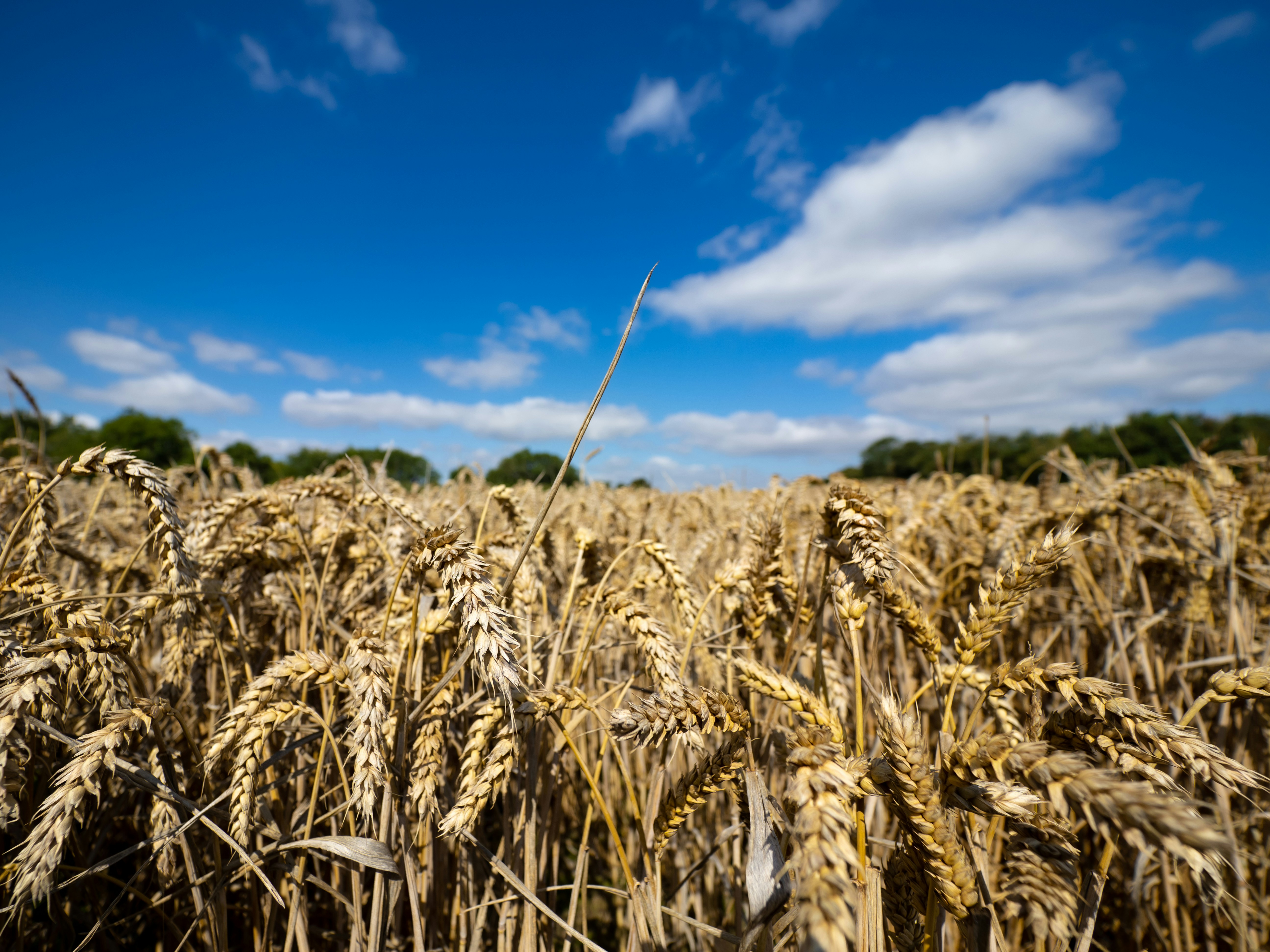
Agriculture has always evolved alongside society, but the pace of change over the past decade has been particularly noticeable. As we move through 2026, farming is entering a period where tradition and innovation sit side by side. The countryside still looks familiar with tractors moving across fields, livestock grazing in pastures and farmyards busy during harvest. Yet behind this familiar picture the way farms operate is shifting in response to economic pressure, environmental responsibility, technological advancement and changing expectations from both governments and consumers.
For many farmers the past few years have been defined by uncertainty. Rising input costs, changing subsidy structures and unpredictable weather patterns have forced businesses to think carefully about how they operate. The removal of traditional agricultural support payments in the United Kingdom has accelerated this shift. Farms are now being encouraged to generate income through productivity, environmental management and diversification rather than relying on historic subsidies. By 2026 this transition is becoming clearer, and many farms are adapting their business models to survive and thrive under the new system.
One of the most significant trends shaping agriculture in 2026 is the growing importance of land management rather than simple crop production. Farmers are increasingly seen as custodians of the countryside, responsible not only for food production but also for biodiversity, soil health and water management. Government schemes now reward activities that protect natural habitats, improve soil quality and reduce carbon emissions. As a result, many farms are balancing agricultural production with environmental stewardship in ways that would have seemed unusual a generation ago.
Soil health has become a central topic in agricultural discussions. Healthy soil is now widely recognised as one of the most valuable assets a farm can possess. Farmers are adopting practices that protect soil structure and increase organic matter levels. Reduced cultivation techniques, cover cropping and longer crop rotations are becoming more common as growers seek to improve resilience against both drought and heavy rainfall. These methods not only protect the land but also reduce the reliance on expensive chemical inputs, helping farms manage rising costs.
Technology is also playing a much larger role in everyday farming operations. Modern agricultural machinery is far more sophisticated than the equipment used even fifteen years ago. Many tractors and combines now operate with GPS guidance systems that allow farmers to plant and harvest with remarkable precision. This technology reduces overlaps, saves fuel and improves efficiency across large areas of land. Precision agriculture tools allow farmers to analyse crop health using satellite imagery or drone data, identifying areas of a field that require attention before problems become widespread.
Data is slowly becoming one of the most valuable resources on a farm. Yield maps, soil sampling results and crop performance records allow farmers to understand their land in greater detail. Instead of treating every part of a field the same way, farmers can adjust fertiliser applications and seed rates based on specific conditions. This approach improves productivity while reducing unnecessary inputs, helping farms become both more profitable and more environmentally responsible.
Labour availability remains a challenge for the agricultural sector. Seasonal work has become harder to fill and the physical nature of farming means many businesses struggle to recruit skilled workers. As a result, farms are looking for ways to operate with smaller teams. Machinery that can perform multiple tasks or operate with minimal supervision is becoming increasingly valuable. While full automation is still developing, many farms now rely on advanced machinery that significantly reduces the labour required to complete large tasks during busy seasons.
Weather patterns are another factor shaping agriculture in 2026. Farmers are experiencing more variability throughout the growing season. Periods of heavy rainfall can delay planting while extended dry spells place pressure on crops and livestock systems. These changes are encouraging farmers to focus on resilience. Improved drainage systems, water storage and crop varieties that tolerate difficult conditions are becoming important investments for many farms.
Crop choices themselves are beginning to shift in some areas. Farmers are exploring alternative crops that can provide stronger returns or adapt better to changing climate conditions. Some traditional crops remain dominant, particularly cereals and oilseeds, but there is growing interest in specialist markets. Crops grown for bioenergy, alternative proteins or niche food markets are gradually appearing in certain regions as farmers search for opportunities that move beyond conventional commodity markets.
Diversification has become one of the most important strategies for rural businesses. Many farms can no longer rely solely on crop or livestock production to provide stable income. Instead they are developing additional activities that make use of their land, buildings or location. Farm diversification can take many forms. Some farms are developing tourism ventures such as holiday accommodation or farm experiences. Others are converting unused buildings into offices, workshops or storage facilities for local businesses.
Renewable energy is also becoming a significant opportunity for landowners. Solar developments, battery storage sites and other energy related projects are increasingly appearing in rural areas. While these projects require careful planning and consideration, they can provide long term income streams that help stabilise farm finances. For many landowners this type of diversification is becoming an important part of long term land strategy.
The relationship between farmers and consumers is also evolving. Modern consumers are more interested than ever in how food is produced and where it comes from. Transparency and traceability have become important factors in building trust between farmers and the public. Many farms are responding by selling products directly to consumers through farm shops, farmers markets or online platforms. This direct connection allows farmers to retain more value from their products while educating consumers about the realities of modern agriculture.
Public perception of farming has become increasingly important. Social media has given farmers a platform to share their daily work and explain the challenges they face. This greater visibility has helped bridge the gap between rural and urban communities, allowing people who live far from the countryside to better understand the complexity of food production.
Despite the challenges facing agriculture, there is a strong sense that the sector is entering a new phase of opportunity. Farms that adapt to changing conditions are discovering new ways to operate successfully. By combining traditional knowledge with modern tools and diversified income streams, many agricultural businesses are becoming more resilient than they were in the past.
The agricultural landscape in 2026 is therefore defined by balance. Farmers must balance productivity with environmental responsibility, tradition with innovation and financial stability with long term sustainability. The role of the farmer is expanding beyond simply growing food. It now includes managing land, protecting natural resources and developing rural businesses that support local economies.
Looking across the countryside today it is clear that agriculture remains one of the most important industries in the country. The methods may change and the pressures may evolve, but the fundamental purpose remains the same. Farmers continue to produce food, care for the land and shape the rural landscapes that define much of the United Kingdom.
In many ways agriculture in 2026 reflects a return to thoughtful land stewardship combined with modern efficiency. It is an industry that honours its past while carefully adapting to the future. For those working within it, the coming years will require resilience, creativity and a willingness to rethink how land can be used. Yet for those who embrace these changes, the future of farming still holds enormous potential.